


Can a punctured tyre be repaired?
The honest answer is: it depends. Some punctures are safe to repair. Others are not. The only way to know for certain is to have the tyre removed from the wheel and properly inspected by a trained technician.
A quick look while the tyre is still on the car is not enough. The key factors are where the puncture is, how big it is, the overall condition of the tyre and whether the tyre has been driven on while flat or underinflated.
Common signs that you may have a puncture
Punctures are not always obvious. A slow leak can take hours or days to become noticeable, while a sudden blowout is clear straight away. Look out for these warning signs:
- The car pulls to one side on a straight road.
- The steering feels heavier or less precise than usual.
- You feel a vibration or thumping through the wheel or seat.
- One corner of the car looks lower than the others.
- A tyre pressure warning light appears on the dashboard.
- You hear a hissing sound near one of the wheels.
Act quickly if you notice any of these signs
If you suspect a puncture, do not continue driving on a visibly flat tyre. Even a slow leak can cause internal damage if the tyre is run while underinflated. The sooner it is checked, the better the chance of a repair rather than a replacement.
What happens during a professional tyre inspection?
A professional puncture inspection is more than a glance at the tread. The tyre needs to come off the wheel so the technician can check the inside properly. This is where important damage can be hidden.
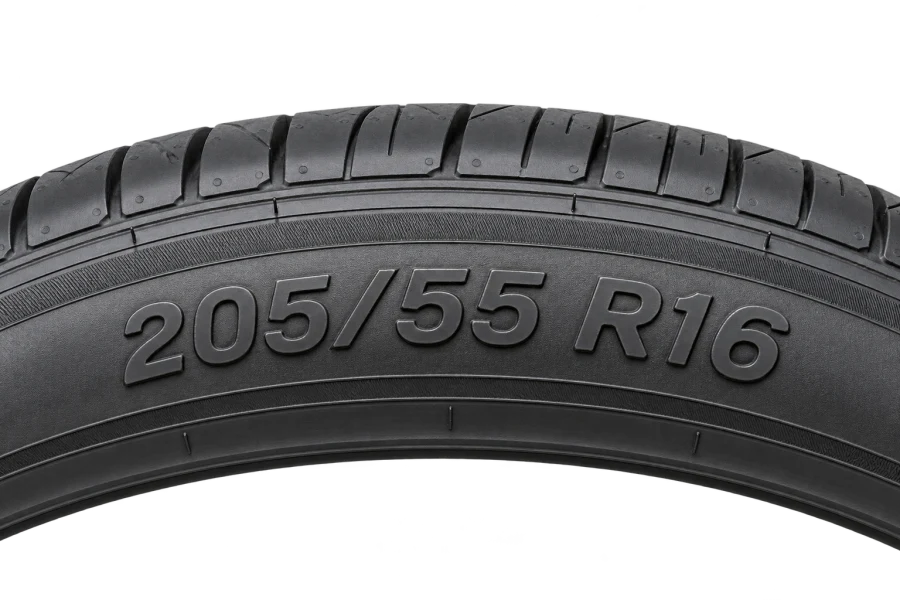
Once removed, the technician will examine the puncture location, measure the damage, check the internal structure for distortion or separation and assess the condition of the rubber. Only then can they confirm whether a repair is safe.
What to tell the workshop
Tell the team whether you drove on the tyre after the puncture, even for a short distance, and whether you used an emergency sealant kit. This helps the technician know what to look for.
Why the location of the puncture matters
Location is one of the most important factors. A puncture in the central tread area may be suitable for a permanent repair if the damage is small enough and the rest of the tyre is in good condition.
Sidewall and shoulder punctures are different. These parts of the tyre flex as the wheel turns, so a repair would be placed under repeated stress. Sidewall and shoulder damage is not normally repairable.
If the puncture is in the sidewall or shoulder, replacement is normally the safe outcome. This protects the structural strength of the tyre.
When a punctured tyre needs replacing
A replacement is the right choice when any of the following applies:
- The puncture is in the sidewall or shoulder.
- The damage is larger than the permitted repair size for that tyre.
- The tyre has been driven on while flat or very underinflated.
- The internal structure is distorted, separated or cracked.
- The tread is already at or near the legal minimum.
- Previous repairs or several punctures affect the tyre’s strength.
A puncture can look minor from the outside but still cause hidden damage to the inner lining or sidewall structure. This is why the tyre must be removed and checked.
Are tyre sealant kits and emergency foam enough?
Many cars now have a tyre sealant kit instead of a spare wheel. These kits are designed to help you reach a workshop. They are not a permanent repair.
Sealant can also make the inside of the tyre harder to inspect. If you have used a kit, tell the workshop before they start.
Emergency kits buy you time
Follow the speed and distance limits shown on the kit, then arrange a professional inspection as soon as possible.
What to do if you think you have a puncture
- Pull over safely if the handling feels wrong or a tyre looks flat.
- Do not continue driving on a visibly flat tyre.
- If the tyre still holds air and feels safe, drive carefully to a nearby workshop.
- If you used a sealant kit, follow its limits and tell the technician.
- Arrange a professional puncture inspection.
Acting quickly matters. A tyre checked before it has been driven on while flat is more likely to be repairable.
If your vehicle has run-flat tyres, the same principle applies. The tyre still needs a professional inspection. Run-flat tyres have specific repair limits, so suitability should never be assumed.
Common questions
Puncture repair FAQs
Can every punctured tyre be repaired?
No. A safe repair depends on the location and size of the damage, the condition and age of the tyre, and whether it has been driven on while flat or underinflated. The tyre must be removed from the wheel so the inside can be checked before a decision is made. Vale Tyre and Exhaust can carry out a professional puncture inspection and explain whether repair or replacement is the safe option.
Can a sidewall puncture be repaired?
No. The sidewall and shoulder flex whenever the tyre rolls and carry important structural loads, so a lasting repair cannot normally be made safely in these areas. A damaged sidewall usually means that the tyre must be replaced. If replacement is needed, use the car tyre search or speak to the workshop for help choosing the correct option.
I drove a short distance on a flat tyre. Can it still be repaired?
Possibly, but driving on a flat or badly underinflated tyre can damage the inner lining and sidewall even when the outside looks normal. Tell the technician how far you travelled and how the vehicle felt so the tyre can be checked properly. Do not drive further on a visibly flat tyre. Arrange a puncture inspection as soon as it is safe to do so.
Is an emergency tyre sealant kit a permanent fix?
No. Sealant and emergency foam are temporary measures designed to help you reach a safe place or workshop within the speed and distance limits shown on the kit. They do not prove that the tyre is safe to keep using and can make the inside harder to inspect. Tell the technician that sealant has been used when you arrange a puncture repair check.
What should I do if the tyre is not completely flat?
Do not ignore a slow pressure loss. Check the pressure against the vehicle manufacturer’s figure and look for obvious damage, but do not remove an object from the tread. If the vehicle feels unsafe or the tyre is visibly low, stop driving. Vale Tyre and Exhaust offers a tyre pressure check and professional inspection when the cause is not clear.
Can a run-flat tyre be repaired after a puncture?
It depends on the tyre manufacturer’s repair rules, the puncture location and how far the tyre was driven after losing pressure. Run-flat tyres can hide damage because the reinforced sidewall continues to support the vehicle. A technician must inspect the tyre before deciding. Read more about run-flat tyres or contact the workshop for advice.